Beyond Local Markets: How Polish Investors Are Positioning Capital Globally, Starting with Dubai
WARSAW | 31 JANUARY 2026
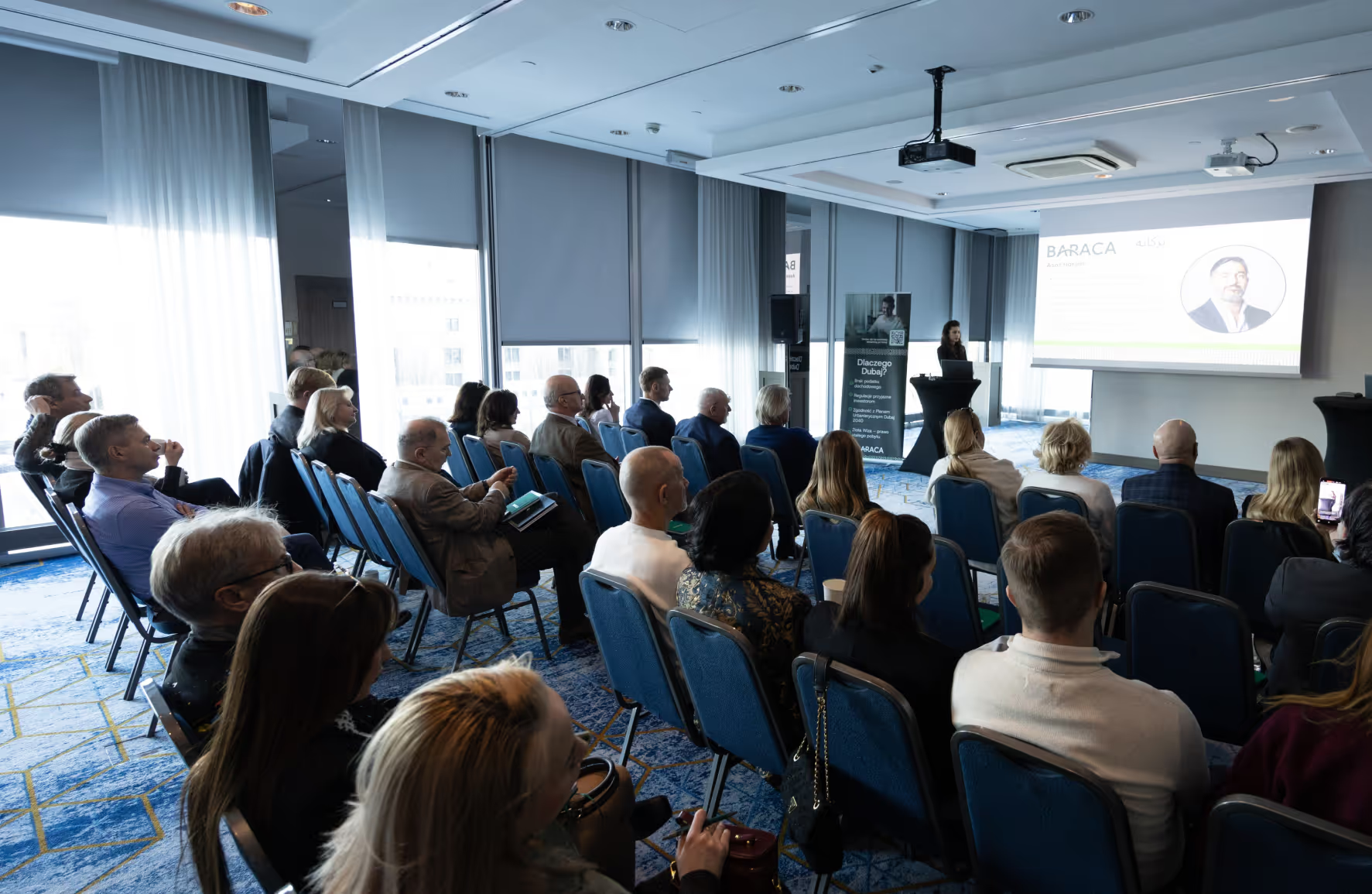
On 31 January 2026, Baraca Capital hosted its first live event in Warsaw at the InterContinental Warsaw, bringing Polish investors together for an in-depth conversation on international real estate positioning, diversification beyond local markets, and long-term capital strategy.
The Warsaw event marked an important milestone in Baraca Capital’s European engagement. With increasing volatility, regulatory pressure, and concentration risk across domestic markets, Polish investors are actively reassessing how and where they position capital for the years ahead. The event provided a structured, in-person setting to examine these questions with clarity, realism, and direct access to on-the-ground expertise.
How Dubai Fits in the Warsaw Conversation
The opening sessions addressed a central question raised repeatedly by attendees: why Dubai, and why now?
Baraca Capital provided context around Dubai’s long-term urban and regulatory direction, with a specific focus on the Dubai Masterplan 2040. The discussion emphasized how population growth, infrastructure development, and governance shape demand over decades—not cycles.
For Polish investors accustomed to navigating changing regulations, taxation complexity, and inflationary pressure at home, the appeal was not framed as speculation, but as structure. Dubai was presented as a global city with long-term planning, defined ownership frameworks, and sustained international demand driven by professionals, businesses, and families relocating from across the world.
Rather than positioning Dubai as an alternative to Poland, the conversation centered on diversification—adding geographic balance to reduce concentration risk and improve long-term resilience.
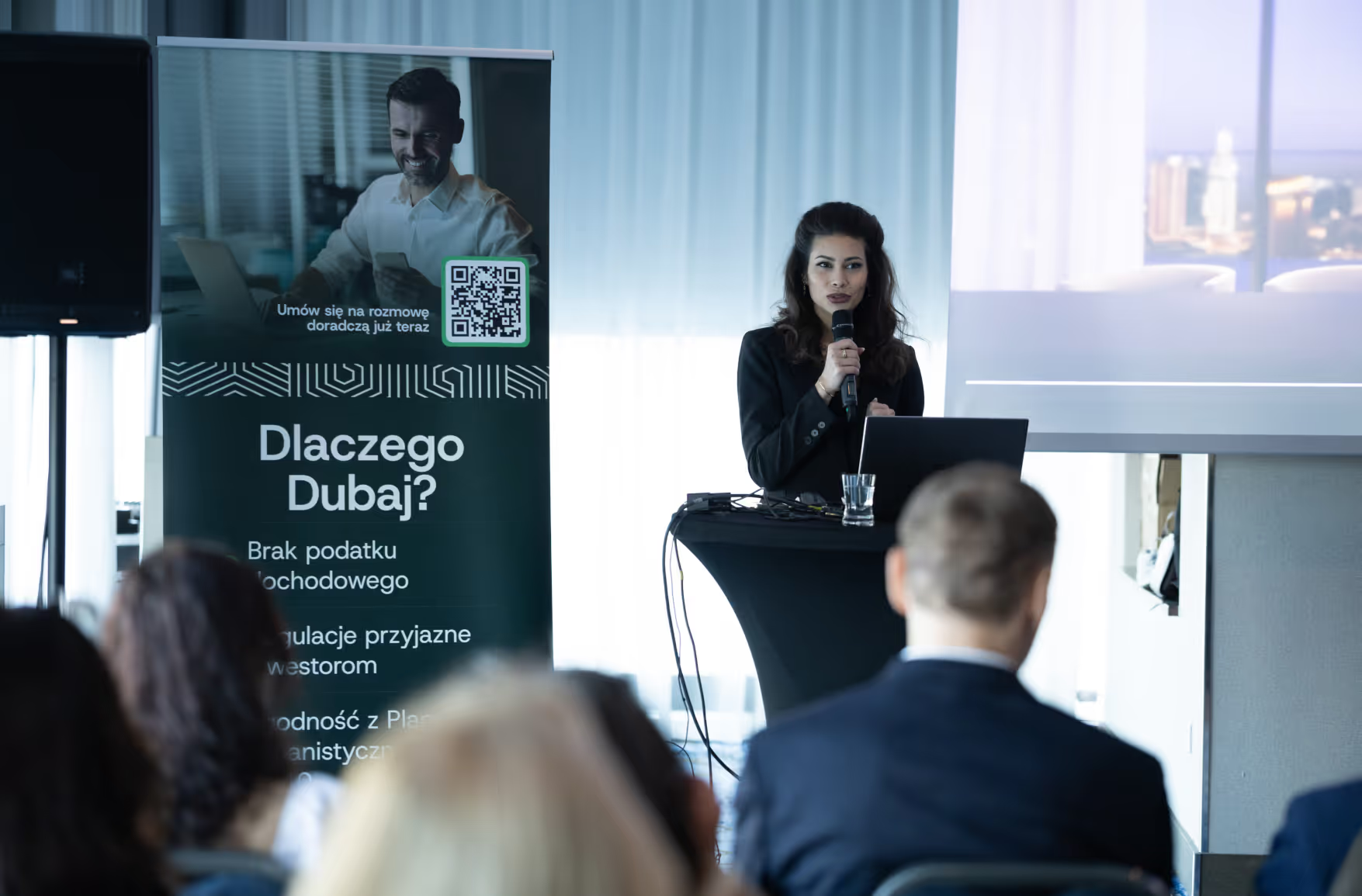
Perspectives from Baraca Capital’s Advisory Team
Nadia van den Berg, Baraca Capital’s advisor led the core sessions, offering practical guidance on how Polish investors typically approach the Dubai market for the first time.
The focus was on decision-making frameworks rather than promotion. How to evaluate developers, how off-plan projects work in practice, what escrow protection means for investors, and how financing pathways differ from European markets.
Nadia also addressed common misconceptions—particularly around hype, speed of development, and risk—by grounding the discussion in policy, regulation, and long-term planning. For many attendees, this clarity was essential in separating headlines from fundamentals.
Direct Access to a Leading Dubai Developer
A key highlight of the Warsaw event was the presence of Sobha Realty, one of Dubai’s most established and detail-driven developers.
Sobha’s representative provided direct insight into active and upcoming projects, explaining how large-scale developments are planned, executed, and delivered over time. With more than 11 million square meters completed across the UAE, Sobha served as a reference point for execution discipline, build quality, and long-term durability.
For Polish investors, the ability to hear directly from a developer—rather than through intermediaries—offered rare transparency. Questions around construction timelines, escrow mechanisms, and delivery standards were addressed openly, reinforcing the importance of access when evaluating international opportunities.
Beyond the Property: Structure, Process, and Residency
The Warsaw discussions extended well beyond individual projects.
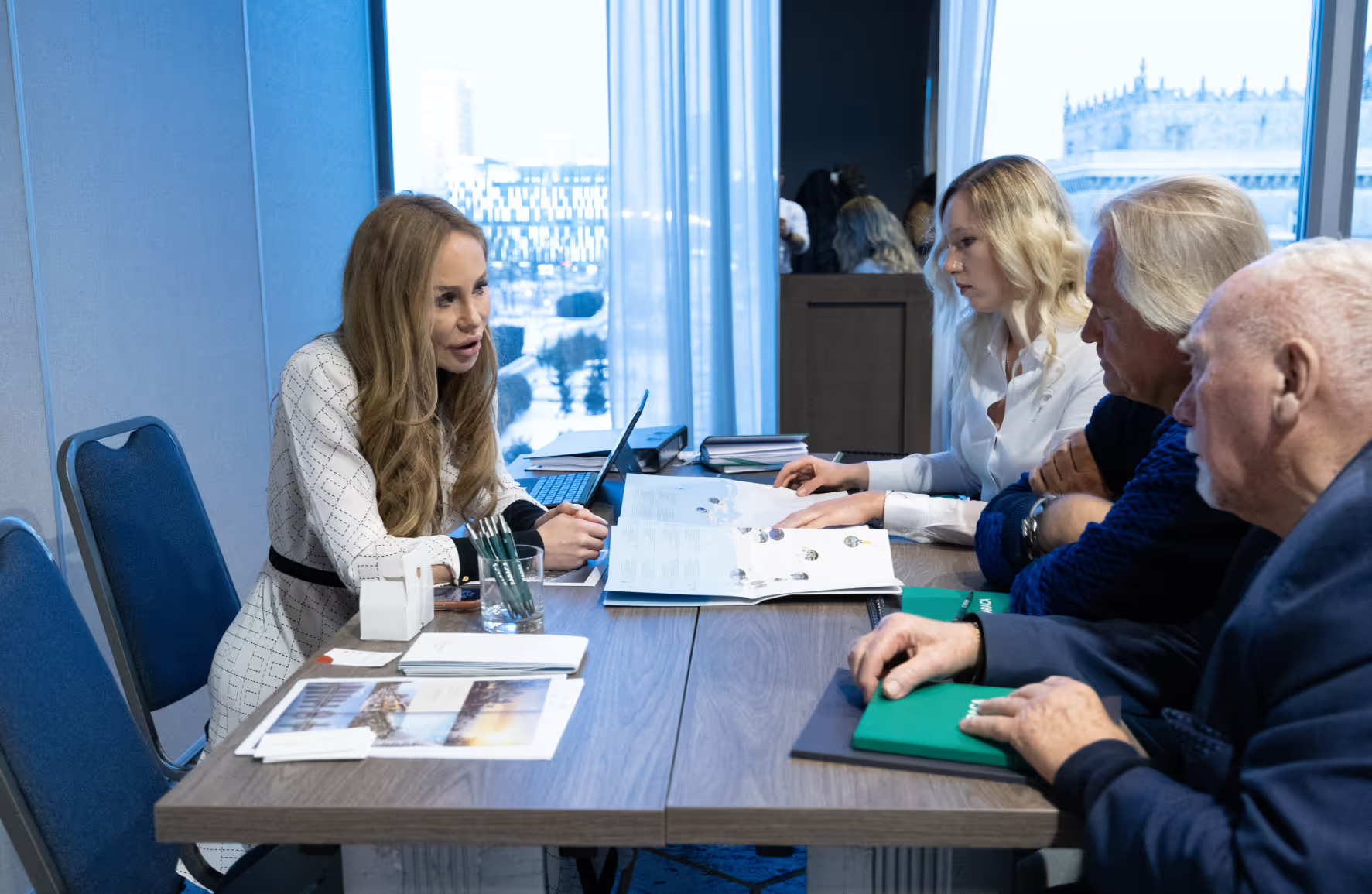
Sessions addressed legal ownership structures, cross-border considerations, and the practical steps involved when investing internationally. Particular attention was given to escrow protection, due diligence, and how investors can approach the process with clarity rather than urgency.
The emphasis throughout was on process: understanding how decisions are structured, what needs to be evaluated before capital moves, and how to avoid unnecessary complexity.
What the Warsaw Event Signals
The Warsaw event reflected a clear shift in how Polish investors are approaching international real estate. Questions were practical, informed, and forward-looking. Attendees were less interested in short-term narratives and more focused on governance, protection, and long-term positioning. This signals a market that is actively preparing for international exposure—not reactively, but strategically.
At Baraca Capital, our role is to support these conversations with access, structure, and clarity—helping investors understand how global property decisions are made in practice.
Every international strategy begins with a clear conversation. If you are evaluating your next step beyond local markets, we invite you to speak with one of our advisors. Schedule a private consultation with a Baraca Capital advisor.